The movie industry has undergone a seismic shift in the past decade, with streaming platforms fundamentally changing how films are produced, distributed, and consumed.
What began as a convenient way to watch movies at home has evolved into a complete transformation of the film industry. Streaming has not only changed how we watch movies but also how they're made, financed, and marketed.
The Streaming Revolution
Streaming platforms like Netflix, Amazon Prime, and Disney+ have become major players in the film industry, producing original content that rivals traditional Hollywood studios in quality and budget. These platforms have disrupted the traditional theatrical model, offering filmmakers new opportunities and audiences new ways to discover content.
The success of streaming originals like "The Irishman," "Roma," and "Marriage Story" has proven that streaming can be a legitimate platform for serious filmmaking, not just entertainment.
Changing Business Models
The rise of streaming has forced Hollywood to rethink its business model. Traditional studios are now competing with tech companies that have deep pockets and different priorities. This competition has led to increased spending on content and more opportunities for diverse voices in filmmaking.
However, it has also created challenges for theaters and the traditional theatrical experience. The pandemic accelerated the shift toward streaming, but even as theaters reopen, the industry has permanently changed.
The Impact on Filmmaking
Streaming has democratized filmmaking in many ways. Independent filmmakers now have access to global audiences through platforms that were previously closed to them. This has led to more diverse voices and stories being told.
At the same time, the streaming model has changed how films are made. Episodic storytelling, binge-watching culture, and the need for content that keeps viewers subscribed have influenced everything from script structure to pacing.
Data-Driven Content
Streaming platforms have access to unprecedented amounts of data about viewer behavior. This data is being used to make decisions about what content to produce, how to market it, and even how to structure stories.
While this can lead to more targeted and successful content, it also raises questions about creativity and artistic vision. The balance between data-driven decisions and artistic integrity is one of the key challenges facing the industry.
The Future of Theaters
The relationship between streaming and theatrical exhibition is complex and evolving. While some films are going straight to streaming, others are using hybrid release strategies that combine theatrical and streaming releases.
Theaters are adapting by offering premium experiences that can't be replicated at home, such as IMAX, 4DX, and luxury seating. The future may see theaters specializing in event films and premium experiences while streaming handles more routine content.
Global Content
Streaming has made it easier for international content to reach global audiences. Films and series from countries around the world are finding success on platforms like Netflix, which has invested heavily in local content.
This globalization of content has led to more diverse storytelling and has given audiences access to perspectives and stories they might never have encountered otherwise.
Challenges and Controversies
The streaming revolution hasn't been without controversy. Issues like fair compensation for creators, the impact on traditional film workers, and questions about the long-term sustainability of the streaming model are ongoing concerns.
The industry is still figuring out how to balance the convenience and accessibility of streaming with the need to fairly compensate everyone involved in the creative process.
What's Next
As we look to the future, several trends are emerging. The consolidation of streaming platforms, the rise of niche services, and the continued evolution of technology will all shape the industry in the coming years.
Virtual reality, augmented reality, and interactive content are all possibilities that could further transform how we experience film. The line between movies, television, and other forms of entertainment is becoming increasingly blurred.
The Role of Technology
Technology will continue to drive change in the industry. Advances in streaming technology, artificial intelligence, and virtual production are all likely to impact how films are made and distributed.
The challenge for the industry is to embrace these technological advances while maintaining the human element that makes filmmaking special.
Conclusion
The evolution of movie streaming represents one of the most significant changes in the history of the film industry. While the future is uncertain, one thing is clear: the way we make, distribute, and consume films has changed forever.
The key to success in this new landscape will be adaptability, creativity, and a willingness to embrace change while preserving the art of storytelling that makes cinema special.
Tags
Related Articles
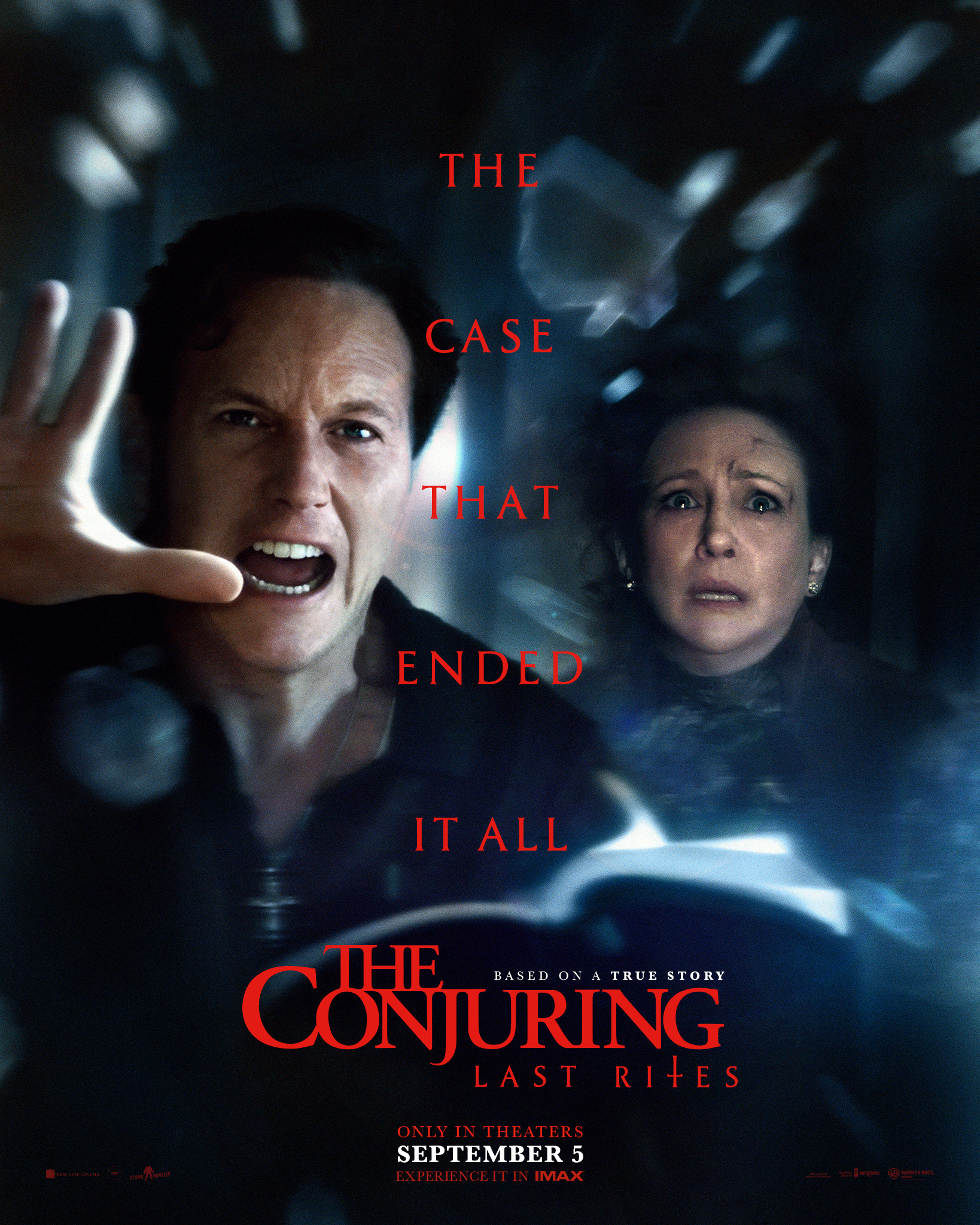
The Conjuring: Final Rite Trailer Breakdown — A Terrifying Endgame Begins
A deep dive into The Conjuring: Final Rite trailer — all the clues, symbols, and shocks leading to the epic finale.

OG Movie Hype: Pawan Kalyan’s Gangster Film Sets Social Media on Fire
Pawan Kalyan’s OG is already breaking the internet with buzz, stunning visuals, and legendary BGM. Fans await the release on September 27, 2025.

Kingdom Review: A Mixed Bag of Visuals and Uneven Pacing
An honest look at the strengths and stumbles of Kingdom — the much-anticipated Telugu spy thriller.